Table of contents
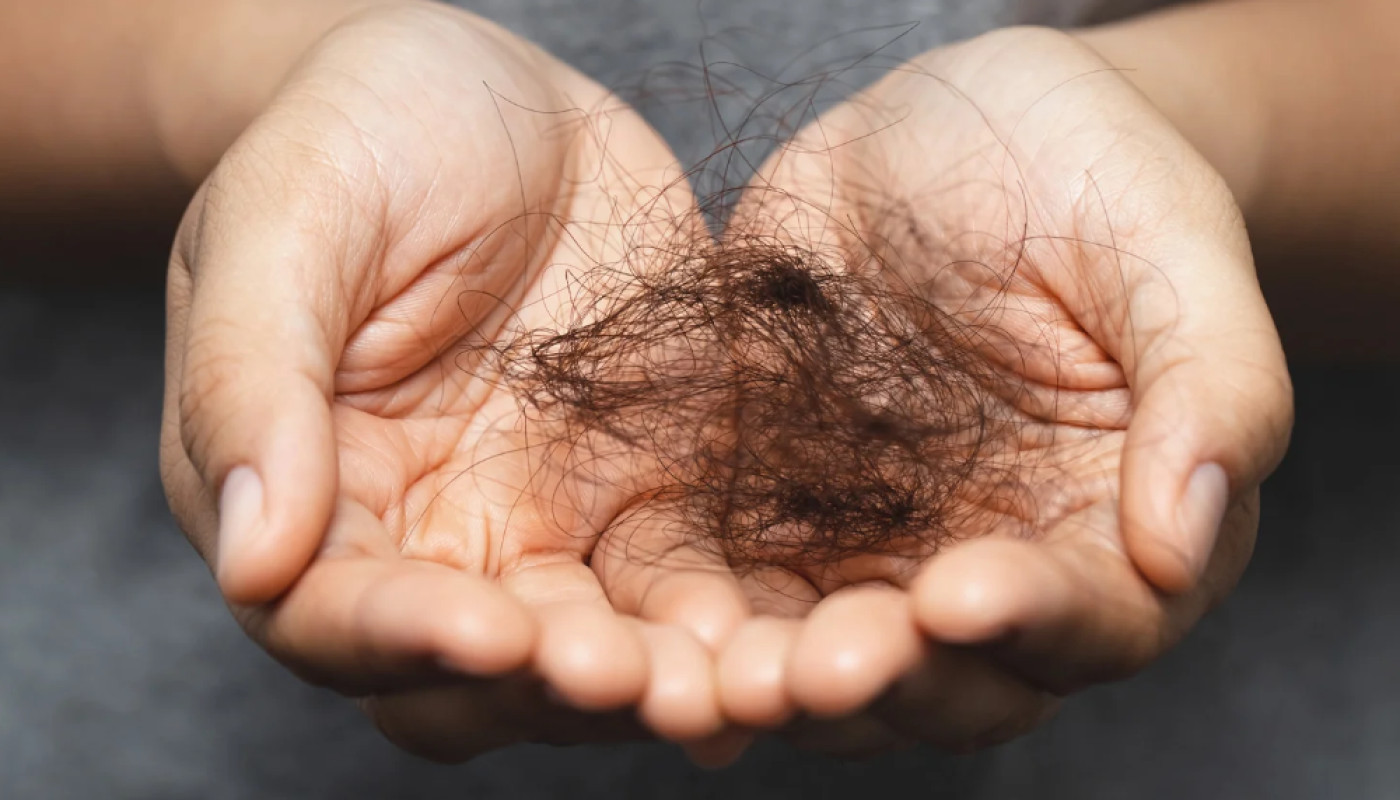
Noticing a widening parting, a receding hairline or increased shedding can be concerning, particularly during your 30s and 40s. While these changes are often associated with ageing, several factors can influence hair density and growth. For adults exploring hair regrowth in London, understanding the underlying cause is an essential first step. Rather than immediately choosing a treatment, a medical assessment can help identify the most appropriate approach and establish realistic expectations.
Why diagnosis matters before hair regrowth treatment in London
Hair loss does not develop in the same way for everyone. Genetics, hormonal changes, nutritional deficiencies and certain medical conditions can all contribute to thinning. Identifying these factors helps distinguish progressive hair loss from temporary shedding.
A hair loss consultation in London provides an opportunity to investigate these possibilities before considering treatment. Kensington International Clinic offers medical assessments combining scalp examination, medical history and targeted blood testing when appropriate.
This diagnostic approach is particularly important because treatments suitable for male pattern hair loss may not address the causes of diffuse female hair loss. Understanding the condition helps avoid unnecessary procedures and supports more informed decisions.
What causes hair thinning during your 30s and 40s?
Hair loss during adulthood can result from several overlapping factors. Androgenetic alopecia, commonly associated with hereditary thinning, develops gradually as susceptible hair follicles produce progressively finer strands.
Other forms of shedding may appear more suddenly, sometimes several months after a physical or emotional trigger.
Common contributing factors include:
Genetic predisposition: hereditary hair thinning affecting the hairline, crown or parting.
Hormonal changes: fluctuations associated with pregnancy, perimenopause or thyroid disorders.
Nutritional deficiencies: insufficient iron or other nutrients affecting normal hair growth.
Stress or illness: temporary shedding following significant physical or emotional strain.
Scalp conditions: inflammation or dermatological disorders that may affect hair follicles.
These causes require different forms of investigation. A hair thinning treatment should therefore reflect the individual's medical history rather than relying exclusively on visible symptoms.
Understanding the available hair regrowth options
Once the underlying condition has been assessed, different hair regrowth options may be considered. The most appropriate choice depends on the type of hair loss, its progression and the patient's overall health.
For androgenetic alopecia, established medical treatments may include topical minoxidil or prescription medication, depending on individual suitability. Nutritional deficiencies or hormonal disorders may require treatment of the underlying condition.
Another approach attracting interest is PRP hair treatment in London. Platelet-rich plasma therapy involves collecting a small blood sample, concentrating the platelets and injecting the resulting preparation into selected areas of the scalp.
Some studies suggest PRP may improve hair density in certain patients with androgenetic alopecia. However, evidence remains variable, treatment protocols differ and results cannot be guaranteed.
PRP is not appropriate for every type of hair loss and should not replace treatment for an underlying medical condition.
What happens during a hair restoration consultation?
A comprehensive hair restoration consultation focuses on understanding the pattern, duration and possible triggers of hair loss. The practitioner may examine the scalp, review family history and investigate recent changes in health or medication.
Depending on the findings, blood tests may be recommended to assess factors such as iron levels or thyroid function.
This information helps determine whether medical treatment, additional specialist assessment or another intervention is appropriate.
Choosing a personalised approach to hair regrowth
For people considering hair regrowth in London, the most effective starting point is a clear understanding of their condition. Early assessment may identify reversible causes, clarify treatment suitability and establish realistic goals.
At Kensington International Clinic, medical evaluation precedes consideration of PRP, reflecting the importance of investigating possible contributing factors before proceeding.
Hair restoration is rarely a one-size-fits-all process. By prioritising diagnosis, appropriate treatment selection and ongoing monitoring, adults experiencing thinning hair can make better-informed decisions about their long-term hair health.
On the same subject
Hair loss in your 30s and 40s: why identifying the cause matters before treatment

Finding Vitality in Ancient Grains: The Quinoa Revolution
